
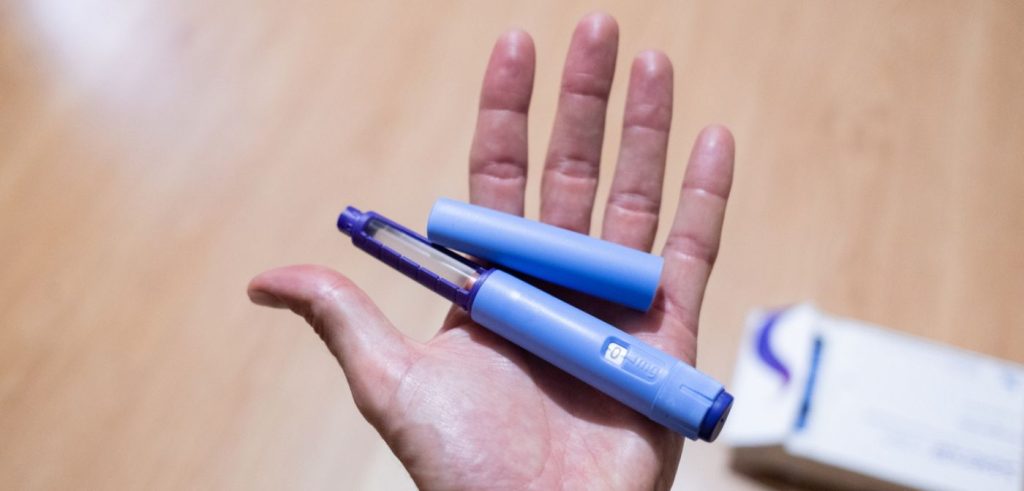
You’ve probably heard about semaglutide by now. Maybe your doctor mentioned it, or a friend shared remarkable weight-loss results. The medication has gained significant attention for helping people lose substantial weight. That’s far better than most weight-loss medications have done in the past.
Understanding exactly how semaglutide works can feel confusing. The medication works through several connected processes in your body. Each one helps reduce appetite, change what foods you want to eat, and support long-term weight loss. Here’s what happens when you take semaglutide and why it works so well for weight management.
What Is Semaglutide?
Semaglutide belongs to a class of medications called GLP-1 receptor agonists. That’s a complicated name, but here’s what it means: semaglutide copies a hormone your body already makes called GLP-1 (glucagon-like peptide-1). Your body naturally produces this hormone in your intestines after you eat.
Your body releases GLP-1 whenever food enters your digestive system. This hormone signals different parts of your body that you’ve eaten. These signals help control your blood sugar and appetite. Semaglutide is a man-made version of this hormone that lasts much longer than what your body naturally makes.
The natural GLP-1 your body produces breaks down within minutes. Semaglutide stays active for days. That’s why you only need one injection per week instead of taking it every day.
How Does Semaglutide Work in Your Brain?
The most powerful effect of semaglutide occurs in your brain, specifically in areas that regulate hunger and satiety.
Semaglutide activates special receptors in a part of your brain called the hypothalamus. The hypothalamus is like your body’s control center for appetite and energy. When semaglutide activates these receptors, it turns down hunger signals and increases feelings of fullness. Many patients describe this as finally feeling satisfied after smaller portions. Some say they simply don’t think about food as much throughout the day.
Changes in Food Preferences
Beyond reducing appetite, semaglutide appears to alter what foods appeal to you. Many patients naturally gravitate toward healthier options away from high-fat, high-calorie foods without consciously trying to make these changes.
The mechanism isn’t entirely understood, but this shift is thought to be linked to how semaglutide influences the brain’s reward pathways. Foods that once triggered strong cravings, particularly those high in fat and sugar, become less appealing.
Slowing Gastric Emptying: Why You Feel Full Longer
Semaglutide dramatically slows down how fast food leaves your stomach. This process is called gastric emptying.
Normally, your stomach starts emptying food into your small intestine within an hour or two of eating. Semaglutide slows this process, keeping food in your stomach longer. This longer fullness does two important things: it reduces how much you eat overall because you feel satisfied for longer, and it helps keep your blood sugar steady by slowing how quickly nutrients are absorbed.
This is why many patients find they can’t finish meals they would have easily eaten before starting treatment. Your stomach genuinely feels full with less food, and that feeling lasts for hours instead of disappearing quickly.
Managing the Side Effects of Slower Digestion
The slowed-down digestion that helps with weight loss also explains the digestive side effects many patients experience during the first few weeks of treatment. Nausea, occasional vomiting, and feeling too full happen as your digestive system adjusts to this new pace.
Most patients find that these symptoms improve significantly after the first month. This is especially true when they adjust their eating habits. Smaller, more frequent meals help. So does avoiding high-fat foods that sit heavily in your stomach.
Blood Sugar Regulation Through Insulin Response
Semaglutide was originally created as a diabetes medication. Its effects on blood sugar remain an important part of how it supports weight loss.
The medication tells your pancreas to release insulin, but only when your blood sugar is high. This means you get better blood sugar control without the risk of dangerously low blood sugar that can happen with some diabetes medications.
When your insulin levels are better controlled, your body uses glucose (sugar) more effectively for energy instead of storing it as fat. This improved function can support weight loss beyond reducing hunger.
Reducing Glucagon Secretion
While helping your body release insulin, semaglutide also reduces the levels of another hormone, glucagon. Your pancreas makes this hormone too.
Glucagon’s main job is to raise blood sugar by telling your liver to release stored glucose (sugar). By lowering glucagon levels, semaglutide helps prevent unwanted blood sugar spikes. These spikes would normally lead to more fat storage and increased appetite. This dual effect on insulin and glucagon creates a more stable internal environment that supports weight loss.
The reduction in glucagon is especially helpful between meals and overnight. This helps keep your energy levels steady throughout the day.
How Quickly Does Semaglutide Work?
Most patients notice a reduced appetite within the first week of starting semaglutide. The effect gets stronger as the dose gradually increases.
You’ll typically see weight loss on the scale within two to three weeks. The medication follows a careful plan where you start at a low dose and slowly increase over several months. This approach minimizes side effects while building up to a dose that works well.
The medication works best at higher doses, which most patients reach after several months of treatment. People typically reach their maximum weight loss after a year or more of consistent treatment. Many patients see major results much sooner, though.
The Role of Lifestyle Changes
Semaglutide is very effective, but it works best when you combine it with healthy lifestyle changes you can stick with.
The medication creates an environment in your body and brain that makes healthy eating much easier. You’ll feel satisfied with smaller portions, have fewer cravings, and find it easier to choose nutritious foods. However, what you eat still matters. Choosing nutrient-rich foods ensures you get proper nutrition even as you eat less overall.
Physical activity helps semaglutide work more effectively by preserving muscle mass during weight loss and supporting overall health. You don’t need intense workouts; even regular walking or light strength training makes a real difference.
What Happens When You Stop Taking Semaglutide?
This is one of the most common questions patients ask. Here’s the straightforward answer: when you stop taking semaglutide, its effects gradually fade.
The medication doesn’t permanently change your metabolism or appetite. Once it leaves your system (which can take several weeks because it stays active for a long time), your natural hunger signals return. Most patients who stop taking semaglutide will regain weight unless they’ve built sustainable eating and activity habits during treatment.
This isn’t a failure of the medication or you as a patient. For many people, weight regulation is a long-term condition that needs ongoing treatment. Some patients use semaglutide indefinitely. Others switch to lower maintenance doses.
Understanding Plateaus and Adjustments
Even with semaglutide, weight loss plateaus are common and completely normal.
As you lose weight, your body needs fewer calories. The calorie reduction that initially led to steady weight loss may no longer be enough as your body adjusts to a smaller size. This is where dose adjustments, refocusing on nutrition, or increasing physical activity can help restart progress.
Plateaus don’t mean the medication stopped working. They mean your body has successfully adjusted to your new weight. Additional changes may help you keep losing if that’s your goal.
Is Semaglutide Right for You?
This medication isn’t right for everyone. People with certain medical conditions shouldn’t use semaglutide. These include people with a personal or family history of a specific type of thyroid cancer called medullary thyroid cancer, or a rare condition called multiple endocrine neoplasia syndrome type 2.
Talking with a healthcare provider who specializes in weight management ensures the medication is safe and appropriate for your specific situation.
Start Your Weight Loss Journey with Expert Support
Understanding how semaglutide works is just the beginning. The real transformation happens when you work with providers who know how to leverage these mechanisms effectively for your individual needs.
At Big Easy Weight Loss, we’ve helped patients across 50 states achieve meaningful weight loss through telemedicine-based treatment with compounded semaglutide and tirzepatide. Our approach goes beyond simply prescribing medication. We help you understand what’s happening in your body, adjust your treatment as you progress, and provide the practical guidance that makes the difference between struggling and succeeding.
Whether you’re just learning about GLP-1 medications or ready to begin treatment, our team is here to answer your questions and create a plan tailored to your medical history and weight-loss goals. Schedule a consultation with Big Easy Weight Loss to take the first step toward lasting change.